Patient Story 23 February 2026
The Hazeltons' Apraxia Journey
Written by Gigi Carter
When Bekah’s son was having trouble learning to speak, Ivinson connected them to the right resource.
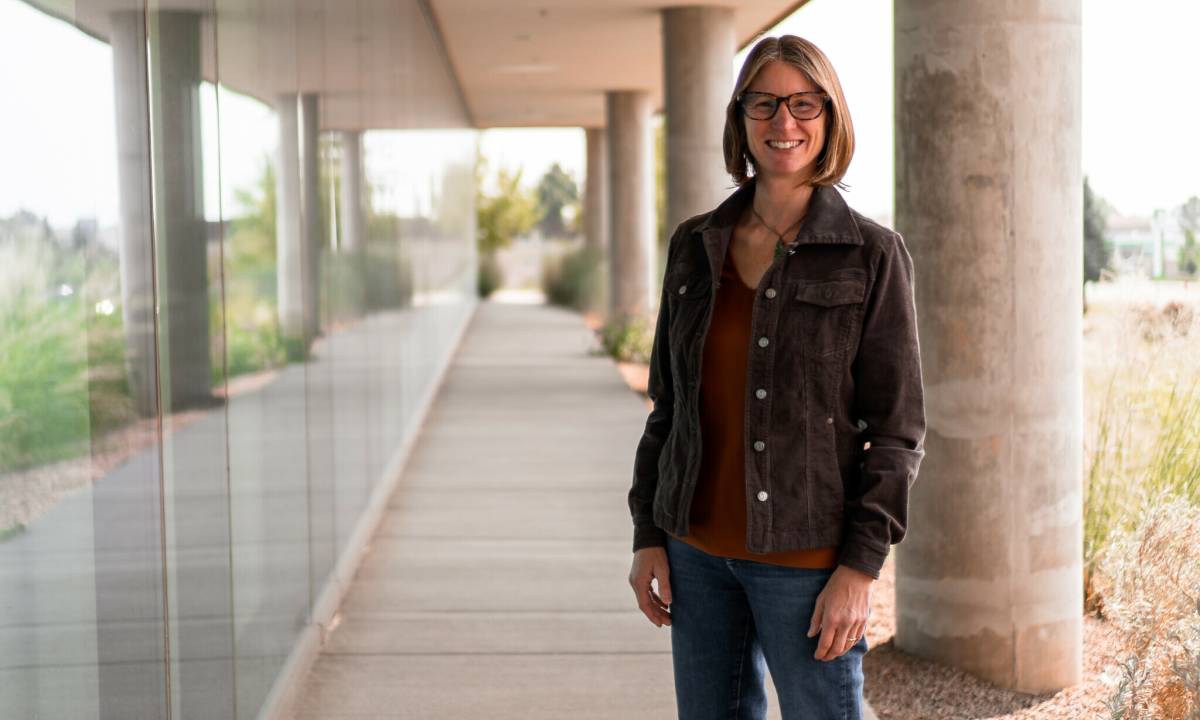
Bekah and Nathaniel Hazelton’s son communicates a little differently. When they noticed he was having trouble learning to speak, Ivinson’s pediatric and family care clinic stepped in. They connected the parents with resources that led them to Apraxia Kids, a nonprofit organization helping families of kids with a speech disorder called apraxia.
Bekah moved to Laramie when she was in college and immediately knew it was the place where she wanted to stay and raise her family. “I just fell in love with this community right away.”
She gave birth to her son (referred to as “A”) in 2018. The Hazelton’s chose pediatrician Daiva Olipra, MD, immediately after giving birth at Ivinson for A’s primary care. At nine months, Dr. Olipra started to notice Bekah’s baby was missing some communication milestones for his age like mimicking vocal sounds and babbling. While most nine-month-olds can’t communicate in full words yet, there’s a lot of pre-speech communication that starts to happen around that time, that they weren’t seeing A exhibit. His fine motor skills were a little behind as well.
“He’s my only child. So, I didn’t have a lot of experience with what would be typical development for a child that age. He didn’t have the expected sounds, and he wasn’t meeting other milestones, like building with blocks.”
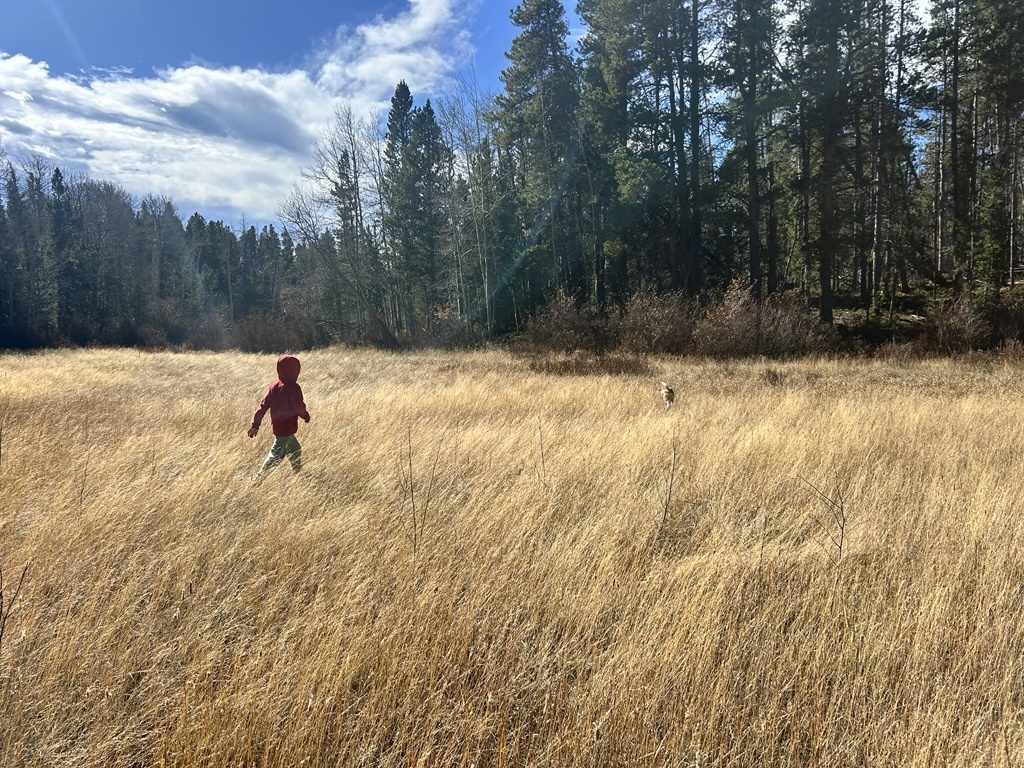
a provider that knows her patients — inside and out
Dr. Olipra referred them to early intervention services of Albany County and right away he started receiving speech therapy and occupational therapy. A few months later, shortly after the onset of the pandemic, A was still behind in his milestones — despite the hard work of his family and therapists.
Ivinson Medical Group then referred the family to specialists in developmental pediatrics at Children’s Hospital Colorado to evaluate if there was anything concerning about A’s development. The Developmental Pediatrics team there recommended additional speech therapy, physical therapy and occupational therapy for A.
“I like to have as many tools at my disposal as possible to help him. He was also socially hesitant, which COVID didn’t help at the time. Once we realized this was affecting his development, we made some big changes to get him engaging with more people.” Says Bekah.
Occupational and Physical Therapy for children focuses on both fine and gross motor skills. Things they do to track progress are all play-based. It can involve activities like stacking blocks and matching shapes to the correct boxes. Other things might be coloring, sensory exploration, textures and hand strengthening with clay or putty. They focus on coordination and bilateral stability. The Hazelton’s were navigating these physical challenges in the midst of the COVID-19 pandemic, which made it more difficult. After clinic offices opened up to in-person care, the therapists would visit him in his childcare setting, and do some home visits as well. When kids turn age 3, they may start getting regular therapy visits at preschool. By A’s 3rd birthday, he was regularly using hand motions, vocalizations and other nonverbal cues to communicate, but still hadn’t said any words consistently.
“Dr. Olipra has always been his always been really sweet with him. I really appreciate that she identified early that he needed some extra help and that he needed to be seen by specialists. He was — even at that point — a very creative communicator — even though he couldn’t articulate words.”
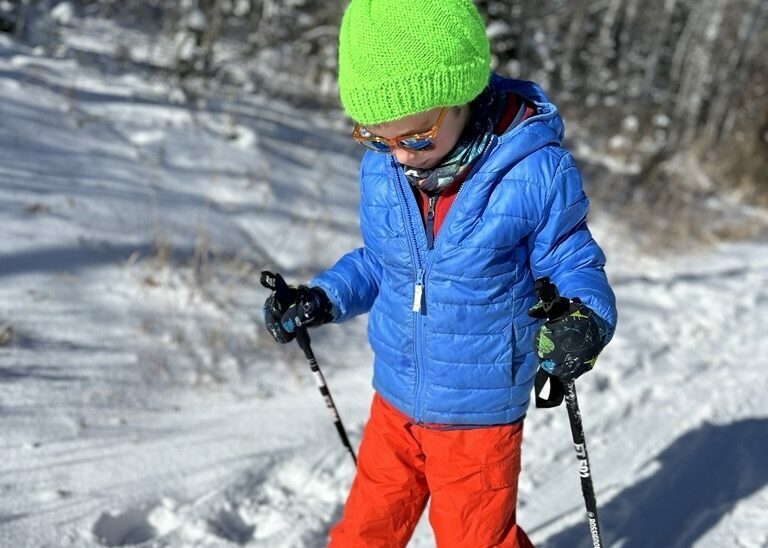
what is apraxia
“A” was diagnosed with apraxia at Children’s Hospital, at one of their regular checkups. Childhood apraxia speech is a motor speech disorder. For reasons that aren’t completely understood, children with apraxia of speech have great difficulty planning and producing movements of the tongue, lips, jaw and palate.
Bekah and Nathaniel’s son A was born this way. There’s no known environmental or genetic difference that causes childhood speech disorders, and there are a wide range of levels and behaviors. Unlike many other speech disorders, Apraxia is not a developmental delay of speech, it’s a motor skill disruption.
Apraxia Kids defines the disorder in this way: “Childhood apraxia of speech (CAS) is a motor speech disorder that makes it difficult for children to speak. Children with the diagnosis of apraxia of speech generally have a good understanding of language and know what they want to say. However, they have difficulty learning or carrying out the complex sequenced movements that are necessary for intelligible speech.”
The Apraxia Kids mission is to strengthen the support systems in the lives of children with apraxia of speech by educating professionals and families; facilitating community engagement and outreach; and investing in the future through advocacy and research. They were founded in 2000 and are the leading nonprofit organization for families struggling with Apraxia. Apraxia also requires highly specialized therapy, and is rare enough that there aren’t resources in every speech language pathologist’s office. But the Hazelton’s were determined to get A the tools he needed.
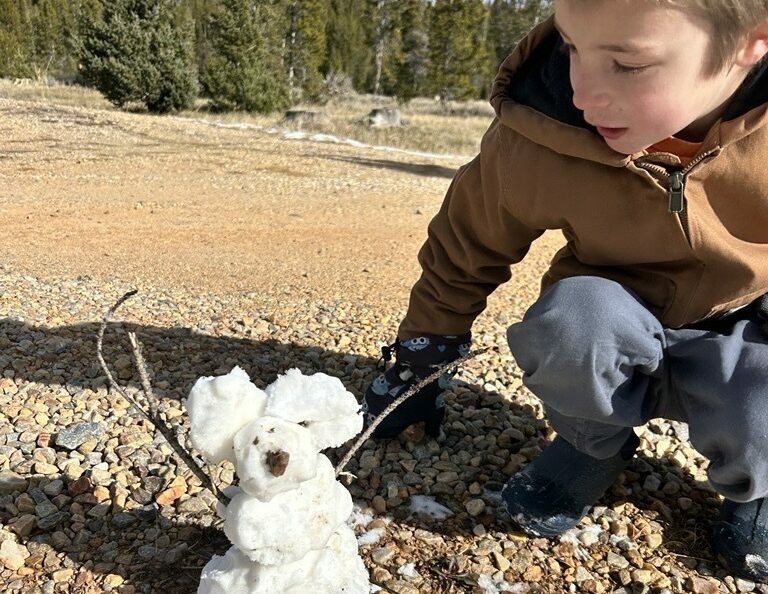
“One of the hallmarks for Apraxia is that a kid might one day say a word, and then not be able to say it again consistently. Or pronounce words differently each time. My kiddo calls me mama — his first word— but a lot of times, he’ll kind of forget and call me ah-ma,” explained Bekah. A couple months later, A picked up the words “Dada” and “off.” The word “off” is a common command that the family uses with their dog. A was able to use that word as a catch-all to express ‘no’ and feelings of dislike. In between the use of those three words, Bekah was also given some tools to use at home for developing nonverbal communication.
Practicing nonverbal communication strategies can really build the relationship between a minimally verbal child and their parent. Nonverbal conversation skills can also help lay the groundwork for future verbal language development.
“Before he developed words, A’s communication consisted of gestures,” adds Bekah. “When we were getting him dressed, [we’d] show him the shirt first and have him reach for it to participate. Using my own voice to explain ‘Yes, it’s time to put this on now.’ It’s about verbally walking through the steps with him without needing a verbal response. His hearing is good, so I’m able to do tasks and comment on them to show an example.” Their conversation skills grew from there.
However, she still struggled with the uniqueness of this parenting experience. Bekah loves Laramie and has a great group of mom friends, but was looking for a parent support group that addresses the particular challenges of being mom of a kid with apraxia. The online resources she discovered while doing her own research into Apraxia Kids helped her connect with families that were struggling with the same issues. She credits the conscientious care of Dr. Olipra with connecting her to the right pediatric specialists that eventually led to a diagnosis and discovery of this valuable resource.
enter apraxia kids
“We didn’t know anyone else in Laramie or Wyoming that had a kid with apraxia, and so it felt pretty isolating. It’s really hard to understand how challenging it is to not be able to have a conversation with your child. Apraxia Kids helped us to know that there are others out there that are struggling with that.”
Bekah is often asked if A can use sign language to communicate. Developing the fine motor skills for sign language is not the most straightforward solution for a child with a physical disorder like apraxia. Bekah explained that many kids can communicate more intuitively with objects and more broadly in a multisensory way the way like an adult would, since he does have his hearing intact. While speech is one form of communication, there are lots of different ways to connect with a child and develop a bond.
While Bekah was getting some more support, A was still working hard and struggling to develop new vocabulary with the methods they were trying on their own. She started to widen her net. “I learned from being on this group for Apraxia parents that we are, at minimum, going to be in speech therapy for a decade. Also, there are specific methods and more frequency of intervention that have been shown to help kids with apraxia develop verbal language. So with the help of Apraxia Kids, I found the speech therapist that we now go to in Fort Collins. About that time, I became aware too that he has very severe apraxia. He was four years old at that point, and we were still only at three words. We’re just trying everything that we can to help him.”
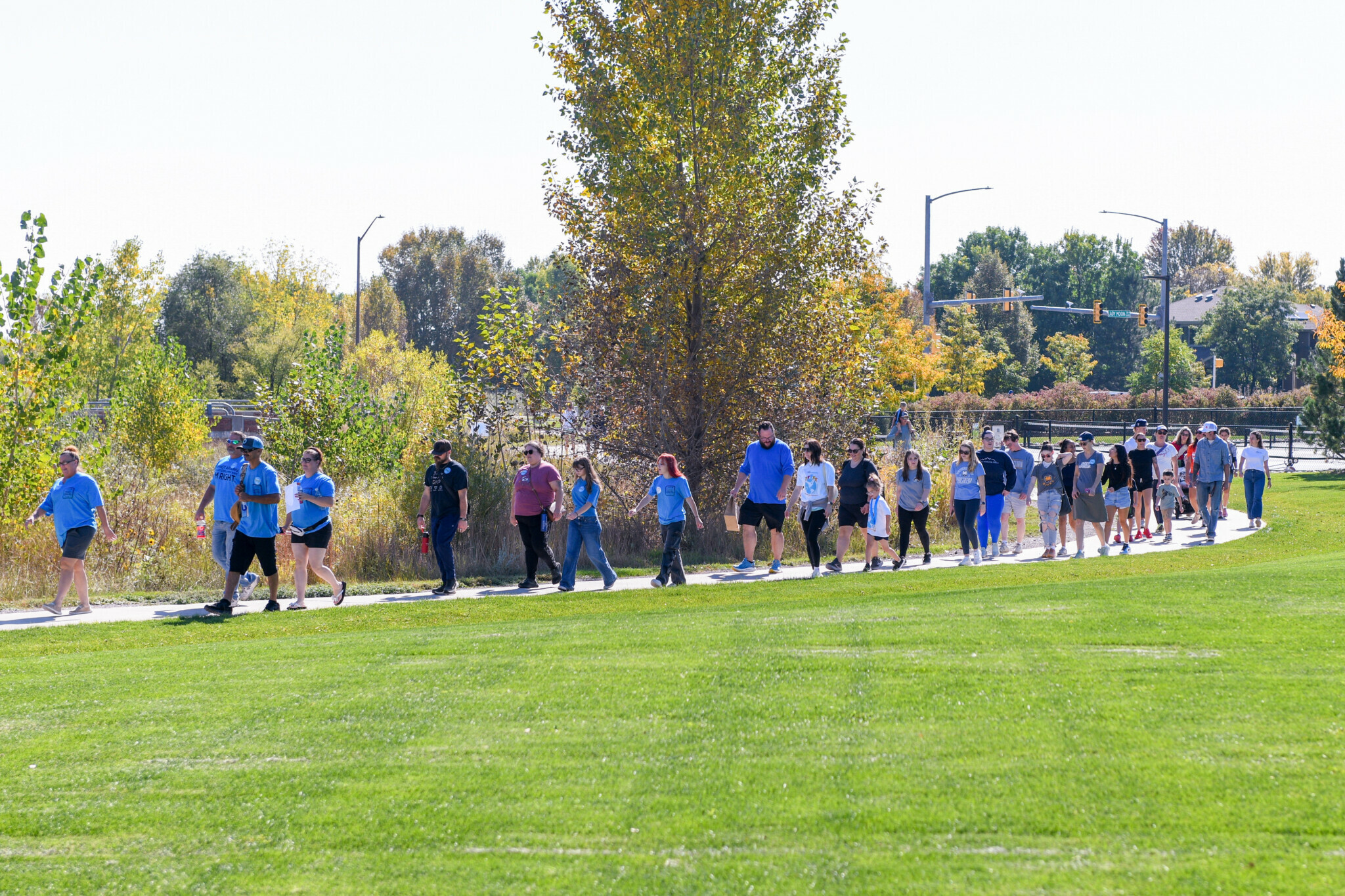
Bekah and her family were recommended to join the Walk for Apraxia in Denver and create a team. For the Hazelton’s, getting to know other families with this struggle was an affirming step. “And after that, his speech therapist suggested we do an Apraxia Walk in Northern Colorado, so it’s more accessible to our Wyoming folks and to our Fort Collins folks. She asked if I would be on the planning committee. Last year we did our first Northern Colorado and Wyoming Apraxia Walk. And we raised somewhere over $11,000, more than doubling our goal of $5,000.”
Apraxia-related speech therapy needs are fairly small in Wyoming and on the Front Range, but it’s important for all kids in close-knit communities to feel as supported as possible with a village that stands behind them.
“The diagnosis rate for apraxia, I think, is one in a thousand kids. So that means only every three years on average there will be a kid born in Laramie with apraxia. Awareness is a big deal.”
a team effort
The Hazelton’s still live in Laramie and get care at Ivinson for routine visits, and receive care in Colorado regularly. The approach across the board was very family oriented on adapting to change as time went on. “They thought A was sort of hesitant to make mistakes,” explained Bekah.
“As a result, our family has become better at being goofy and celebrating our mistakes in a way that’s very forgiving. I think it has kind of helped us bring out our goofy side. A has a great sense of humor. It’s hard to explain how you can joke around when you don’t have verbal language, but he can!”
With a combination of speech therapy and care close to home, A has made great progress with his speech. They now have strategies in place to support his development as he grows up.
“We’ve been super lucky. The clinic is very transparent about their limits. And they’re happy to refer us somewhere. But we see Dr. Olipra every year now for a regular checkup. And she always asks us about how things are going and gives us advice and tracks his progress. I could tell she really cares about her patients. She was calling to check in all the time when we were down at Children’s and at different points.”
The Ivinson Medical Group pediatric and family care clinic is dedicated to providing the most advanced pediatric care available to Laramie patients. Providers like Dr. Olipra have access to the consulting and referral services of pediatric specialists when needed, like Apraxia Kids and Children’s Hospital Colorado. They understand the need to focus on the health and well-being of the whole child and believe in the importance of continuity of care. For patients like the Hazelton’s, it’s more than a mission, it’s part of their story as a family. Bekah, Nathaniel and A’s needs will grow and change, and the care team at Ivinson is prepared to be there every step of the way.
“It’s the long game, it’s the marathon. But there’s a balance between pushing him too hard and giving him time to still be a kid. There’s so much potential for him to learn to speak if he has the right help.” Today, A is a socially confident kid who will sometimes shout out an answer — when he can say it — in his classroom at school, even if it’s not perfect. He is learning new words each week and the Hazelton’s are grateful for everyone who has been a part of his apraxia journey. A year ago, his word count was 55, and today he’s more than doubled that number.
As a result of Bekah’s fundraising efforts, Ivinson Memorial Hospital sponsored the Walk for Apraxia this year for the first time. When asked what she’s looking forward to after this year’s Walk for Apraxia, she said she’s anticipating the joyful little moments of family time this winter.
“Like any parent, I’m just so curious to see what he does with his life. He told me in his own way that he wants a crane for his birthday, and I look forward to him being able to say the word crane.” Bekah reports that just in time for his 7th birthday, A mastered a very important word he had been working hard to say. If you ask, he can now tell you that he’s “seven.”
Gigi Carter is a Marketing Specialist and Laramie native. She joined the Ivinson team in 2021 after working in a variety of nonprofit and tourism organizations planning events, engaging in community outreach and graphic design. Gigi is passionate about women's education and improving the health and diversity of her hometown.